





FLEET MAINTENANCE MANAGEMENT SOFTWARE
Manage your maintenance while maximizing ROI





You're in good company


No sales pitch, just results. Our user-reported benefits include
#1
software for business value created According to data collected by SoftwareReviews
20-50%
reduction in carrying inventory
15-65%
increase in productivity
10-25%
reduction in overall costs
Gain a timely ROI
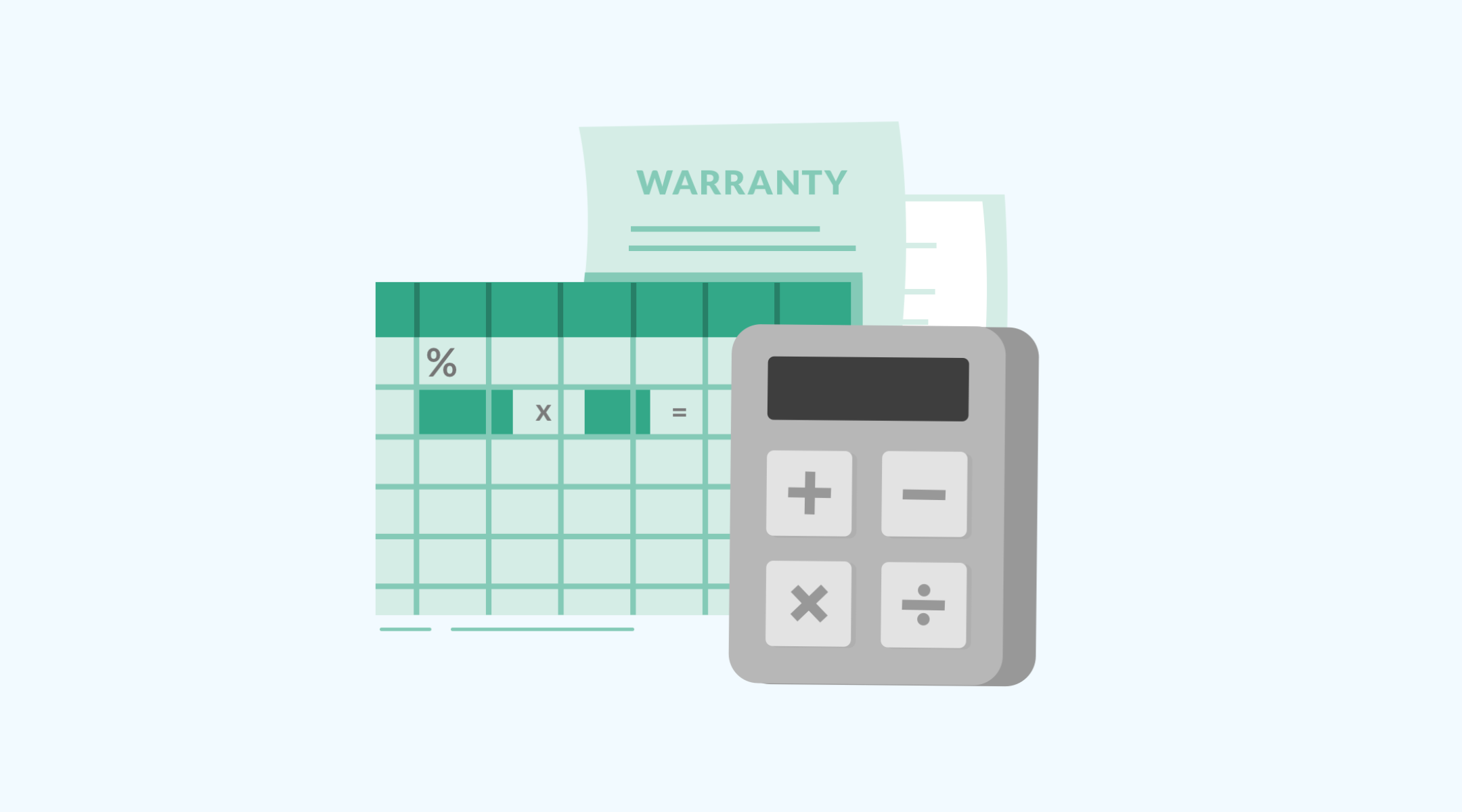
Increase warranty and core capture while streamlining part, fuel, and labor costs with fleet maintenance management software.


Watch a demo
See the Cetaris fleet maintenance management software suite in action.
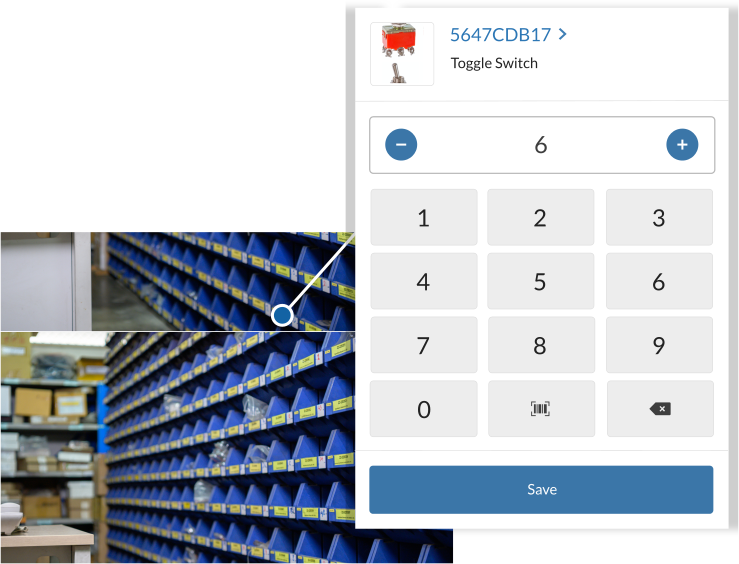
Manage your parts inventory
Instantly update inventory as parts are used on repairs. Keep your inventory streamlined and accurate with automation and next-level reports. Plus, leverage AI to predict part failures and future demand for parts.

Transform labor and asset uptime
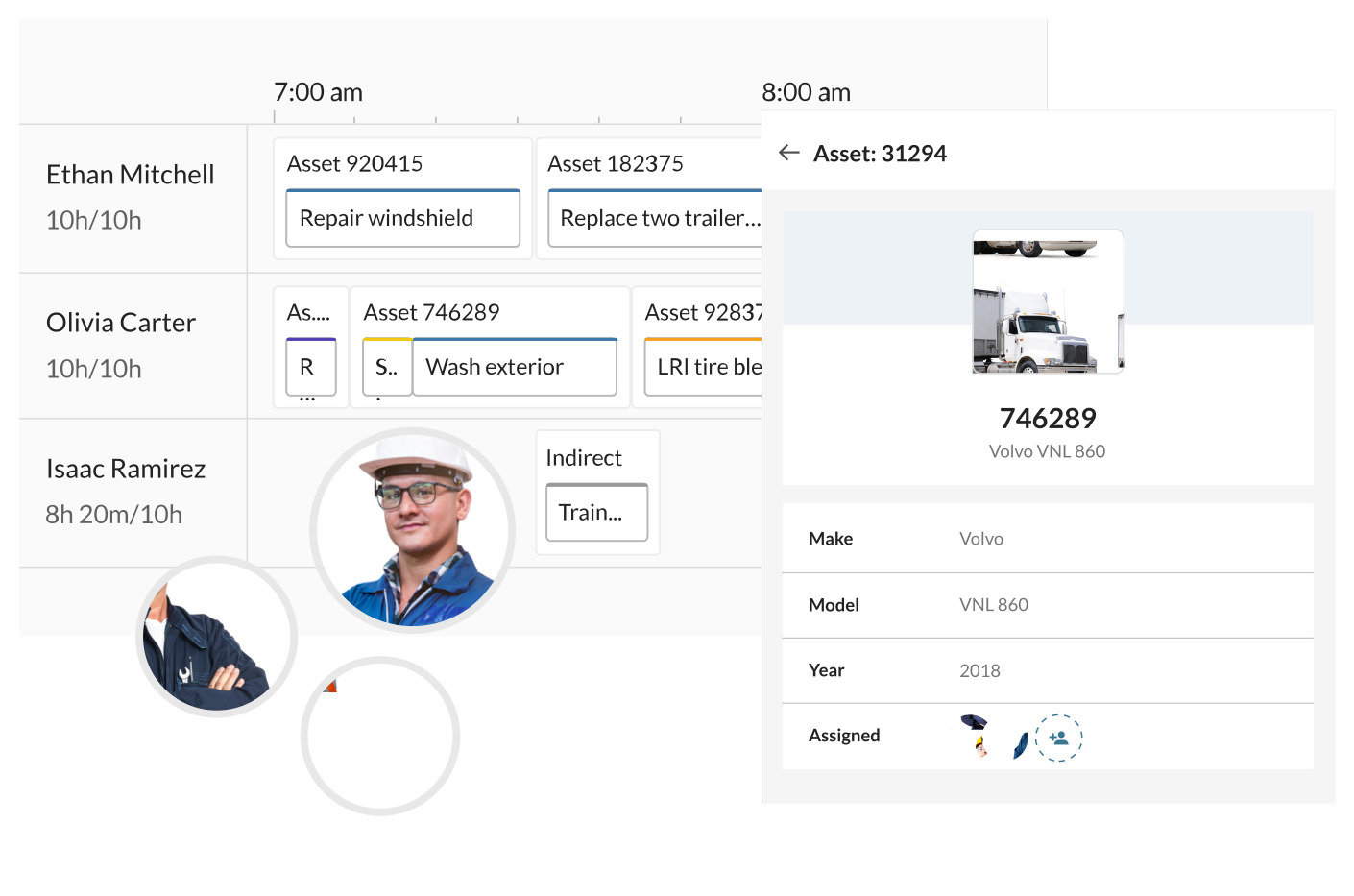
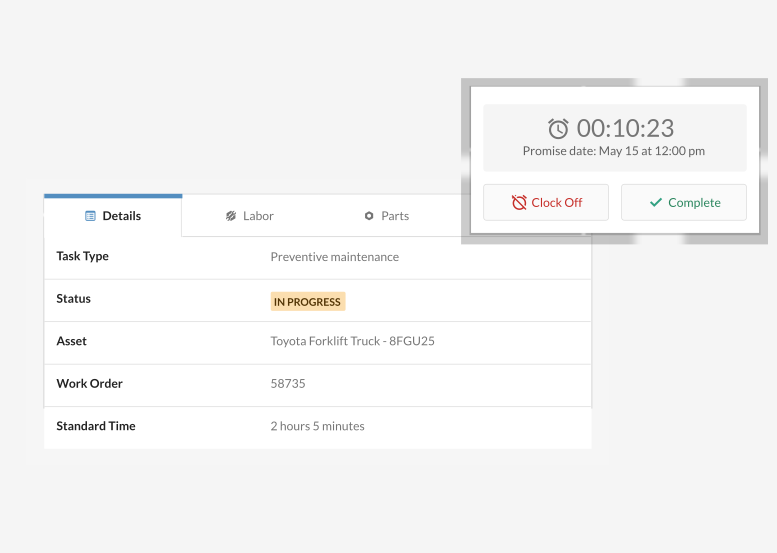
With preventive maintenance schedules, you can automate tasks and optimize maintenance scheduling. So, your assets stay running and teams stay focused on the work that matters.

Turn data into insights
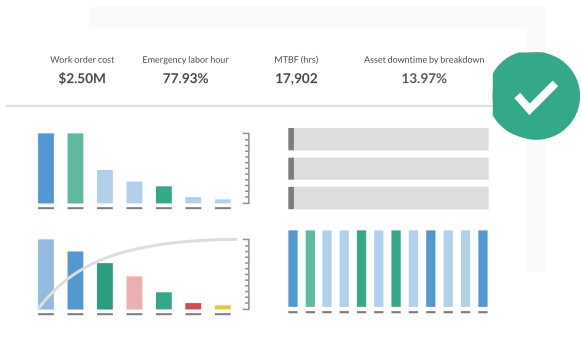
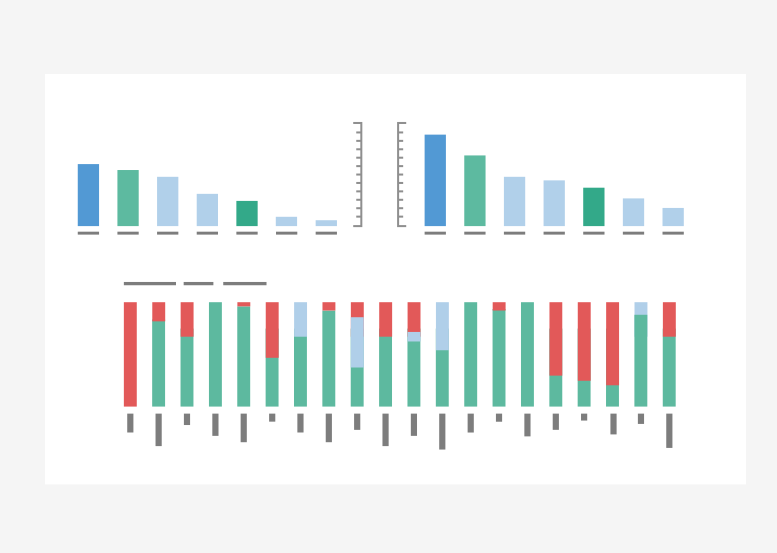
Respond to operational issues in real-time, measure impact, and deepen operational decision-making as data science is made easy with dashboards and reports.

Stay integrated
Pipe in data from the tools that are core to your business with 300+ integration opportunities. Flow data from your ERP, Telematics, OEMs, and more. Increase productivity and data accuracy with automation. Remove silos and connect your teams.

Cetaris solutions are designed for all types of maintenance
Fleet maintenance
EAM
CMMS
Flagship product

Optimize the maintenance of your fleet assets
Add-On Apps

Cetaris Fix
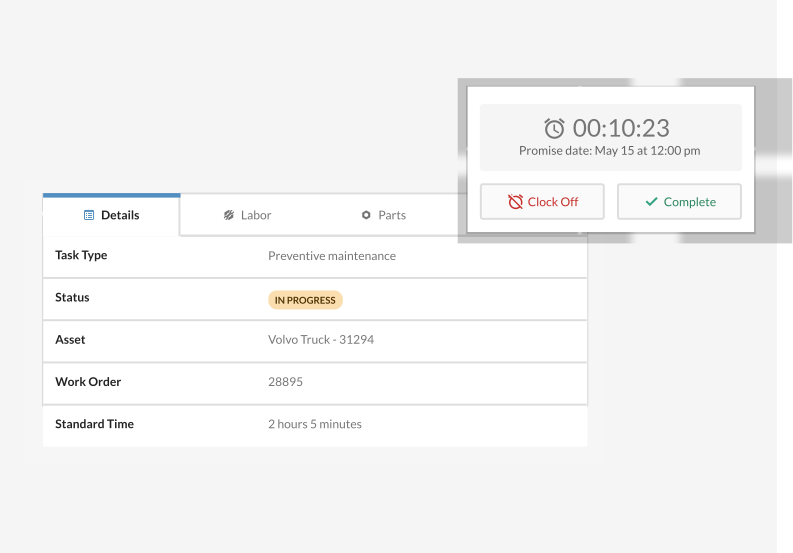
Work order app

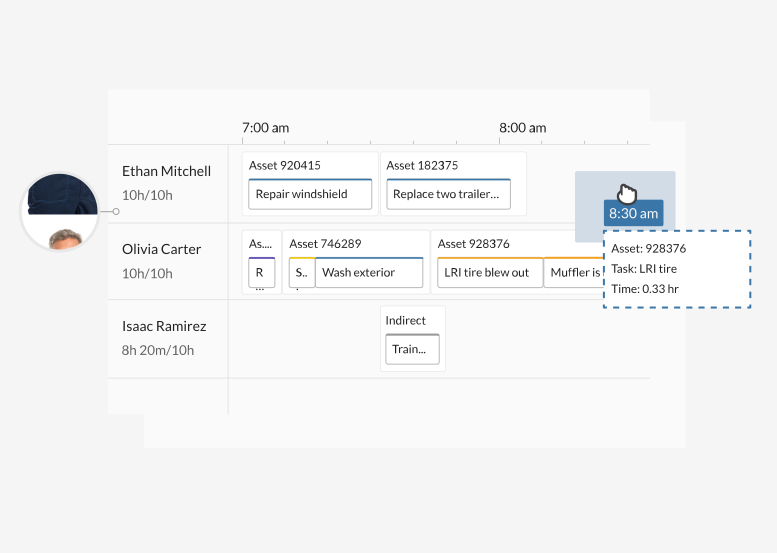
Cetaris Plan
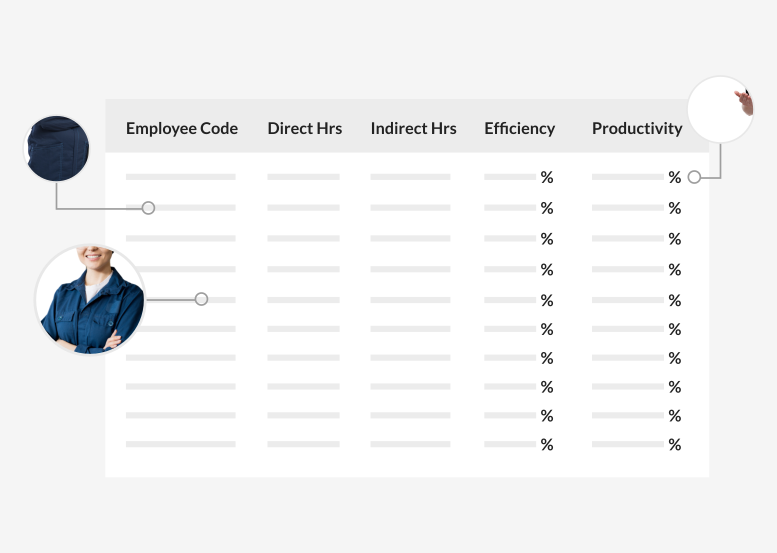
Technician scheduling app
Flagship product
An EAM solution built for optimal asset management
Add-On Apps
Cetaris Fix
Work order app
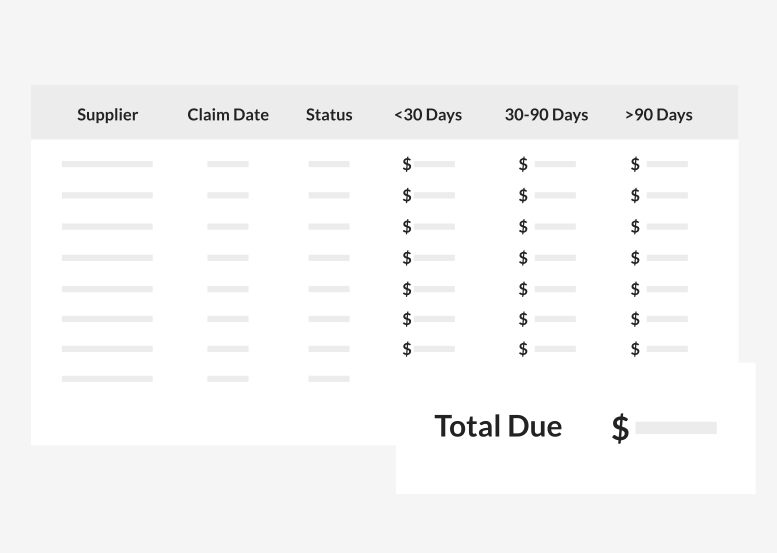
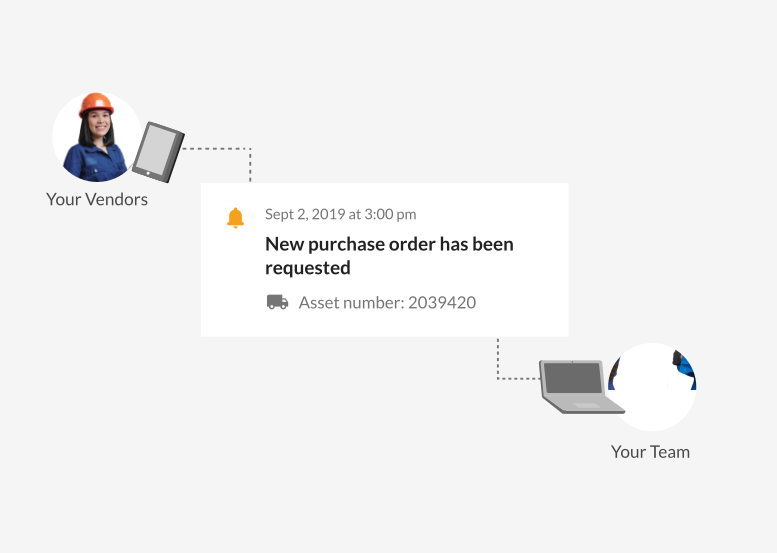
Cetaris Vendor
Vendor portal app
Flagship product
A CMMS system that allows your team to work from any device
Add-On Apps
Cetaris Fix
Work order app

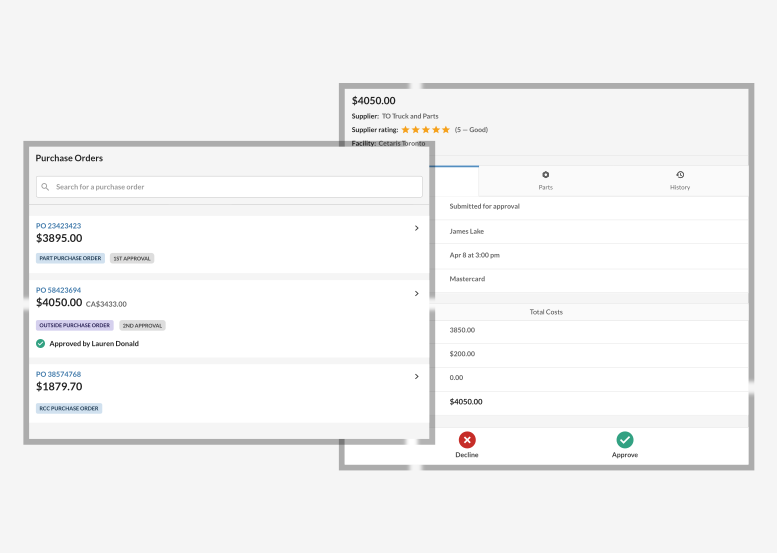
Cetaris Approve
Purchase order approval app
See how companies optimize their maintenance with Cetaris


728%
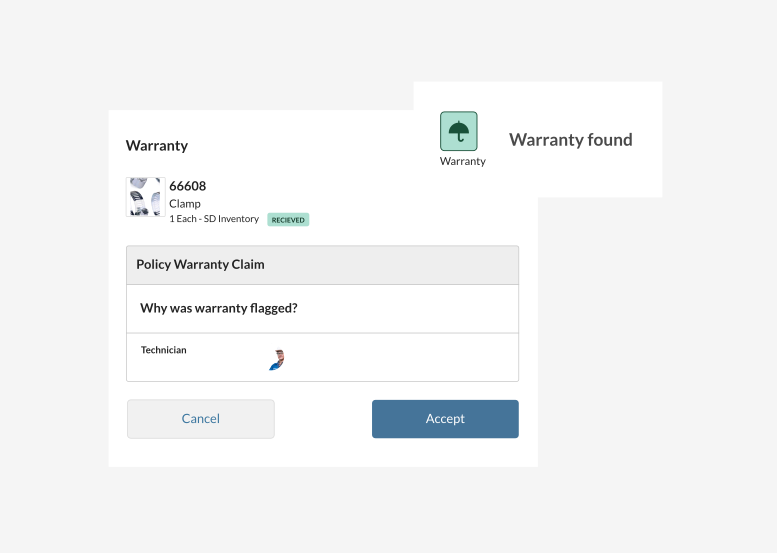
in warranty reimbursement after implementing the Cetaris warranty module for a year.



97%
PM (preventative maintenance) compliance after implementing Cetaris


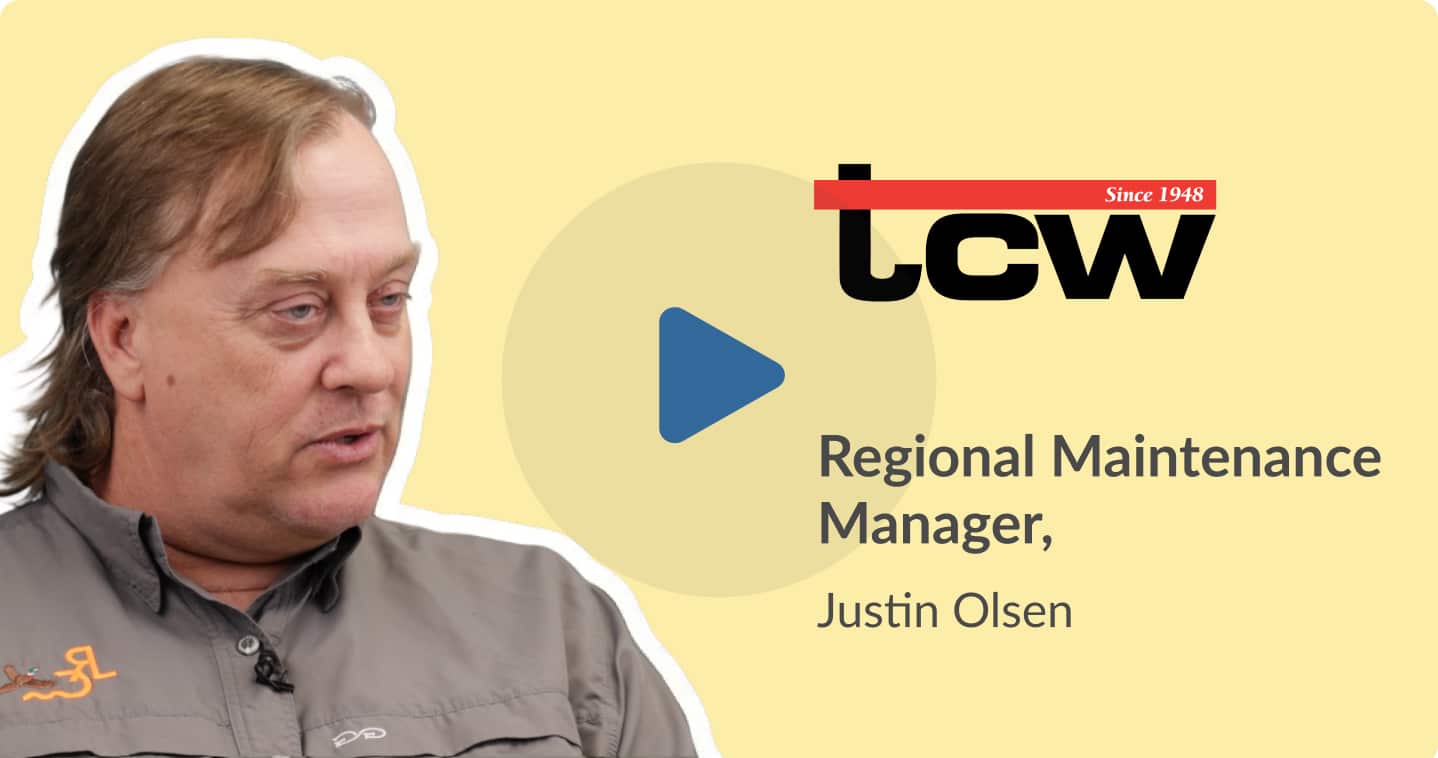
“Warranty has probably went up three times what it used to be. Now with Cetaris, it flags them every time. It has completely streamlined the process for us.”
Justin Olsen, Regional Maintenance Manager

Join thousands of happy customers optimizing maintenance with Cetaris


Still have questions? Speak to our sales team today:

Frequently Asked Questions
What is fleet maintenance management software?
Fleet maintenance management software helps organizations manage vehicle and equipment maintenance, track repairs, schedule preventive maintenance, monitor parts inventory, control costs, and improve asset uptime. Cetaris centralizes maintenance, inventory, warranty, fuel, labor, and operational data to help organizations maximize fleet performance and return on investment.
How does fleet maintenance software reduce operating costs?
Fleet maintenance software helps reduce costs by automating maintenance activities, improving inventory control, reducing equipment downtime, increasing warranty recovery, and providing visibility into labor, fuel, and parts expenses. Cetaris reports customer outcomes that include reductions in overall costs and inventory carrying expenses.
How does preventive maintenance improve fleet uptime?
Preventive maintenance helps organizations identify and complete maintenance tasks before equipment failures occur. Automated scheduling improves asset reliability, reduces unplanned downtime, extends vehicle life, and helps maintenance teams stay proactive instead of reactive. Cetaris supports preventive maintenance scheduling to keep fleet assets operating efficiently.
How does Cetaris help manage parts inventory?
Cetaris automatically updates inventory records when parts are used during repairs, helping organizations maintain accurate inventory levels. The platform also provides reporting capabilities and AI-driven insights to help predict future parts demand and identify potential part failures.
Can Cetaris integrate with ERP, telematics, and OEM systems?
Yes. Cetaris integrates with ERP systems, telematics platforms, OEM data sources, and other business applications. The platform supports more than 1,000 integration opportunities designed to improve data accuracy, streamline workflows, and eliminate information silos across maintenance operations.
How does fleet maintenance software improve warranty recovery?
Fleet maintenance software helps maintenance teams identify eligible warranty claims, track warranty coverage, and capture reimbursement opportunities that might otherwise be missed. Cetaris customers have reported significant improvements in warranty reimbursement after implementing warranty management capabilities.
What is the difference between CMMS, EAM, and fleet maintenance software?
A CMMS helps organizations manage maintenance work, work orders, and preventive maintenance. EAM software manages the entire lifecycle of physical assets. Fleet maintenance software is specifically designed for vehicle and equipment fleets, combining maintenance management with inventory, warranty, fuel, compliance, and operational reporting. Cetaris supports fleet maintenance, CMMS, and EAM use cases.
Why choose Cetaris for fleet maintenance management?
Cetaris helps organizations improve asset uptime, optimize maintenance scheduling, manage inventory, increase warranty capture, leverage operational reporting, and connect business systems through integrations. By centralizing maintenance operations in one platform, organizations can improve productivity, reduce costs, and gain greater visibility into fleet performance.