



Secure your data
With multi-factor authentication and SOC-II compliance, your data is safe with us.

BY SOLUTION
The Cetaris Ecosystem →FLAGSHIP PRODUCT
ADD-ON APPS
BY INDUSTRY
COMPANY
CUSTOMER SUPPORT
CONTACT
BLOG
View All BlogsRESOURCES
View All ResourcesFEATURED RESOURCES
BY DATA TYPE
View All Integrations →FEATURED PARTNERS

Cetaris Fleet helps industry-leading transportation companies powerfully manage maintenance with a focus on ROI.



With multi-factor authentication and SOC-II compliance, your data is safe with us.

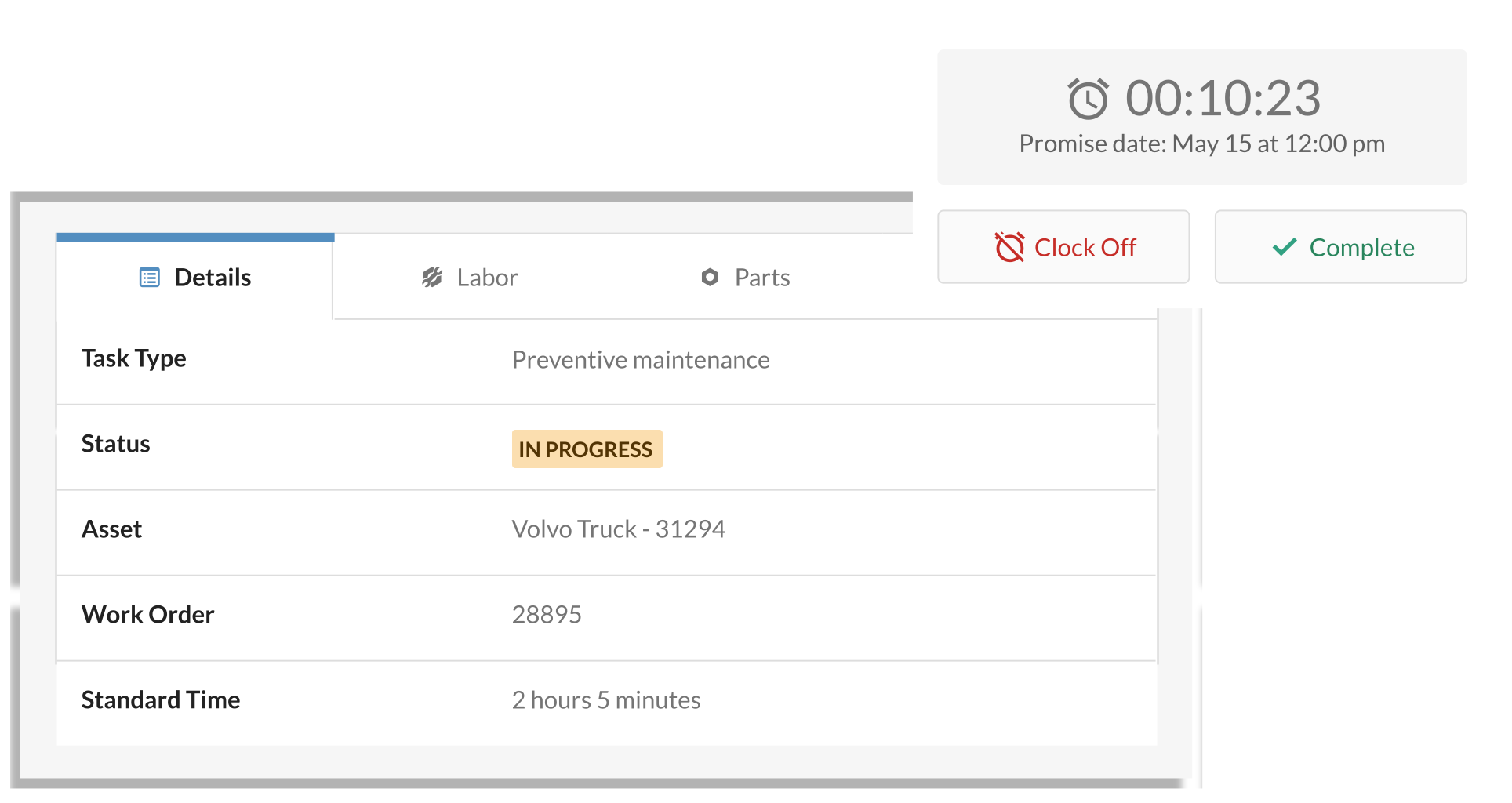
Keep your team focused on the work that matters with work order management, preventive maintenance schedules, and alerts for repairs.

100% of surveyed customers reported seeing ROI from warranty returns, cost savings, and process optimizations.

Connect your maintenance process to telematics, GPS, ERP, or other critical systems.
Create and assign work orders to track high quality repair data.
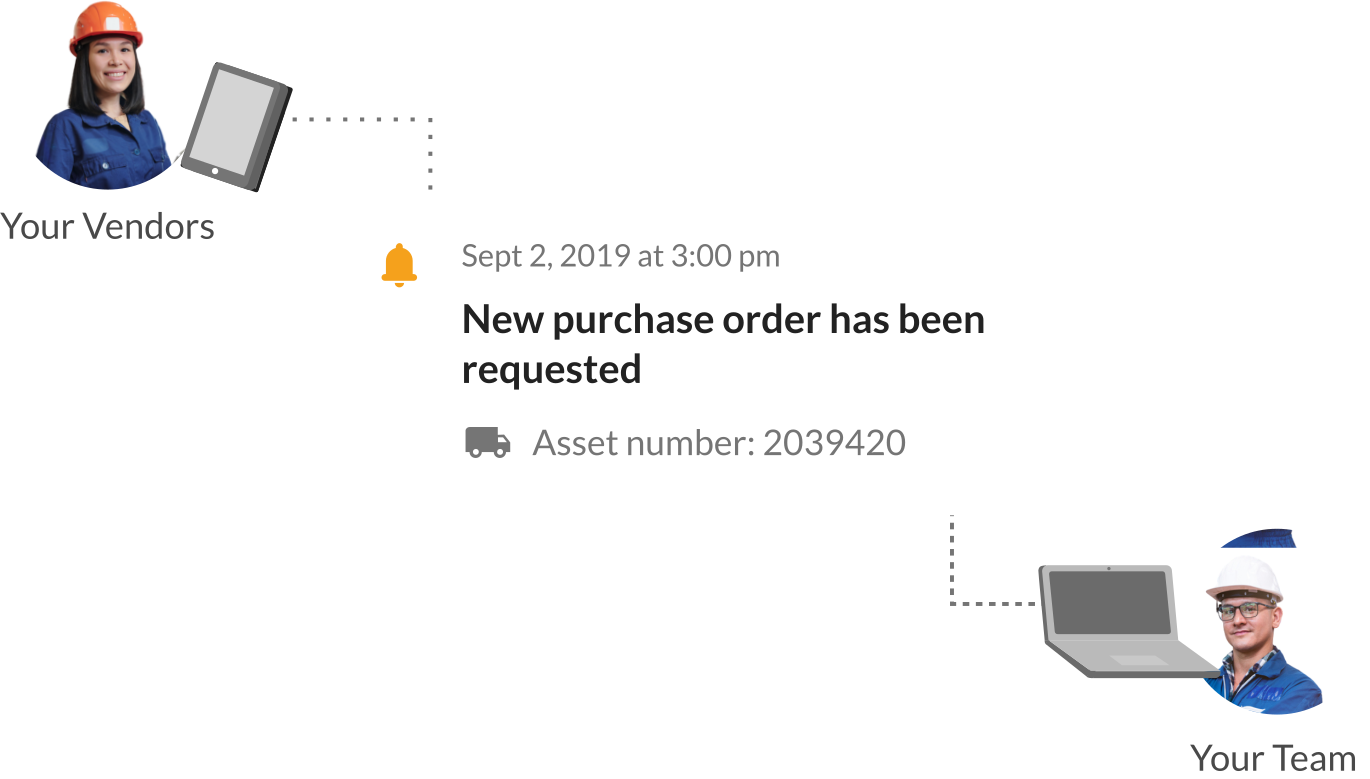
Streamline inventory while maintaining part availability.
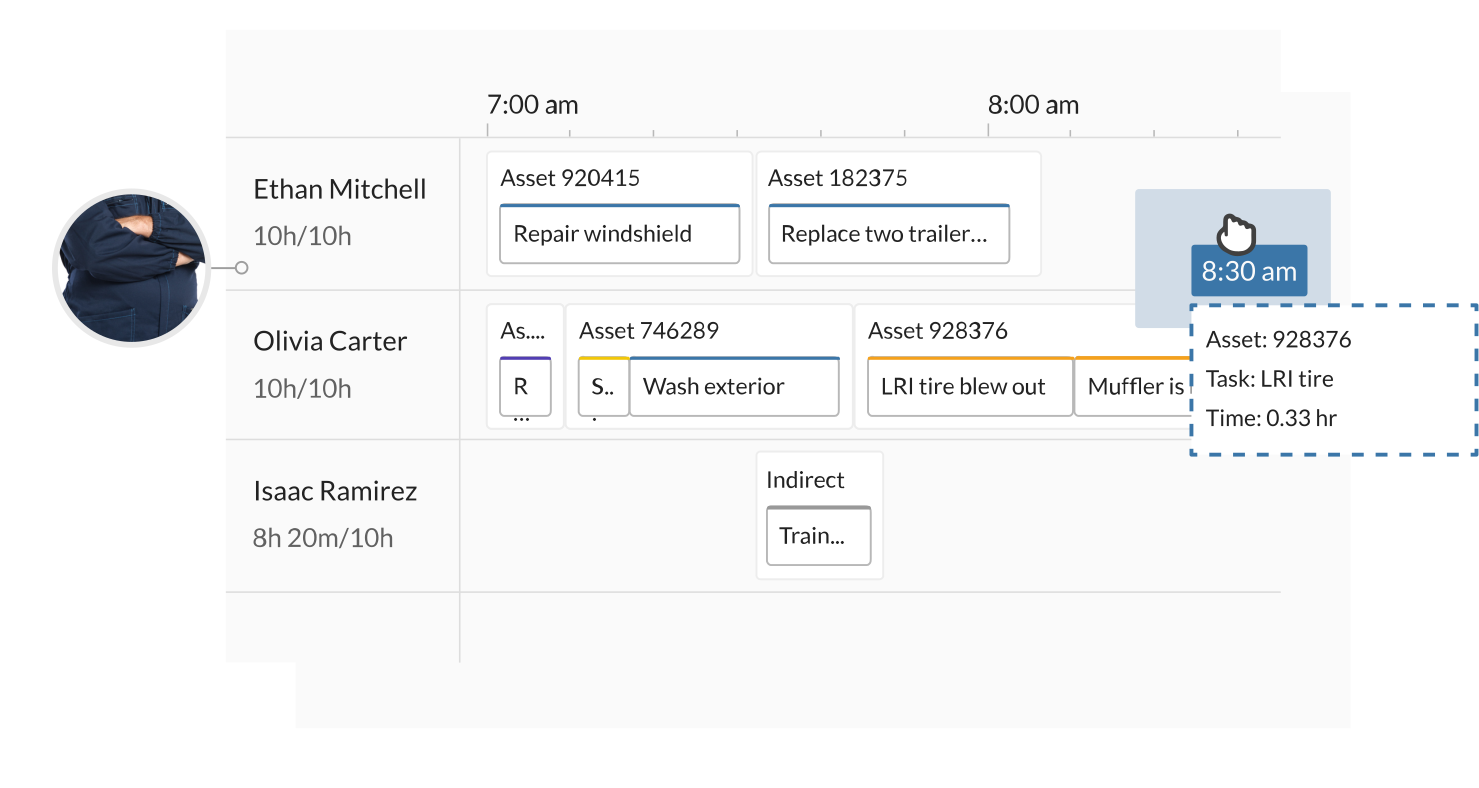
Access tools to help optimize the performance of assets.
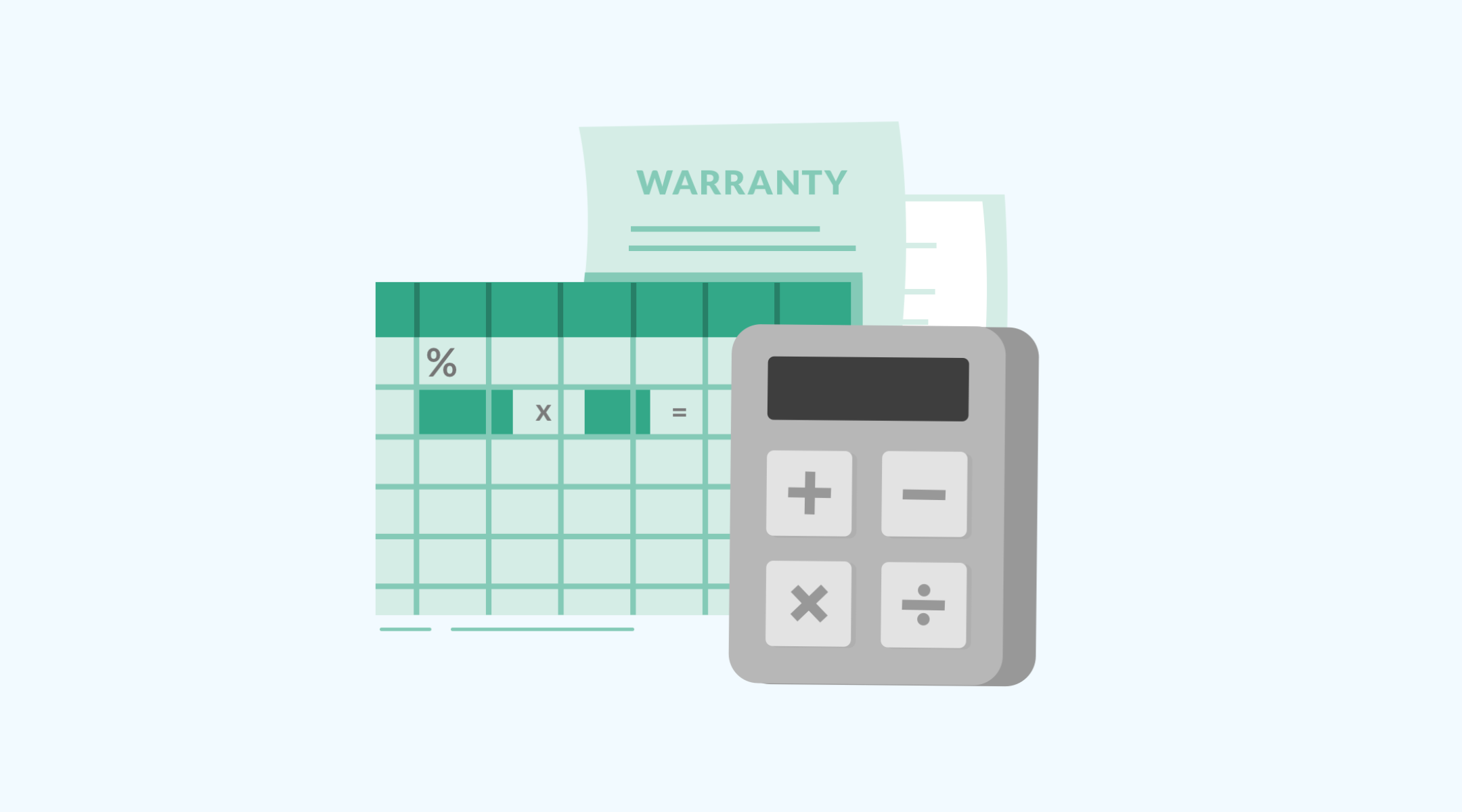
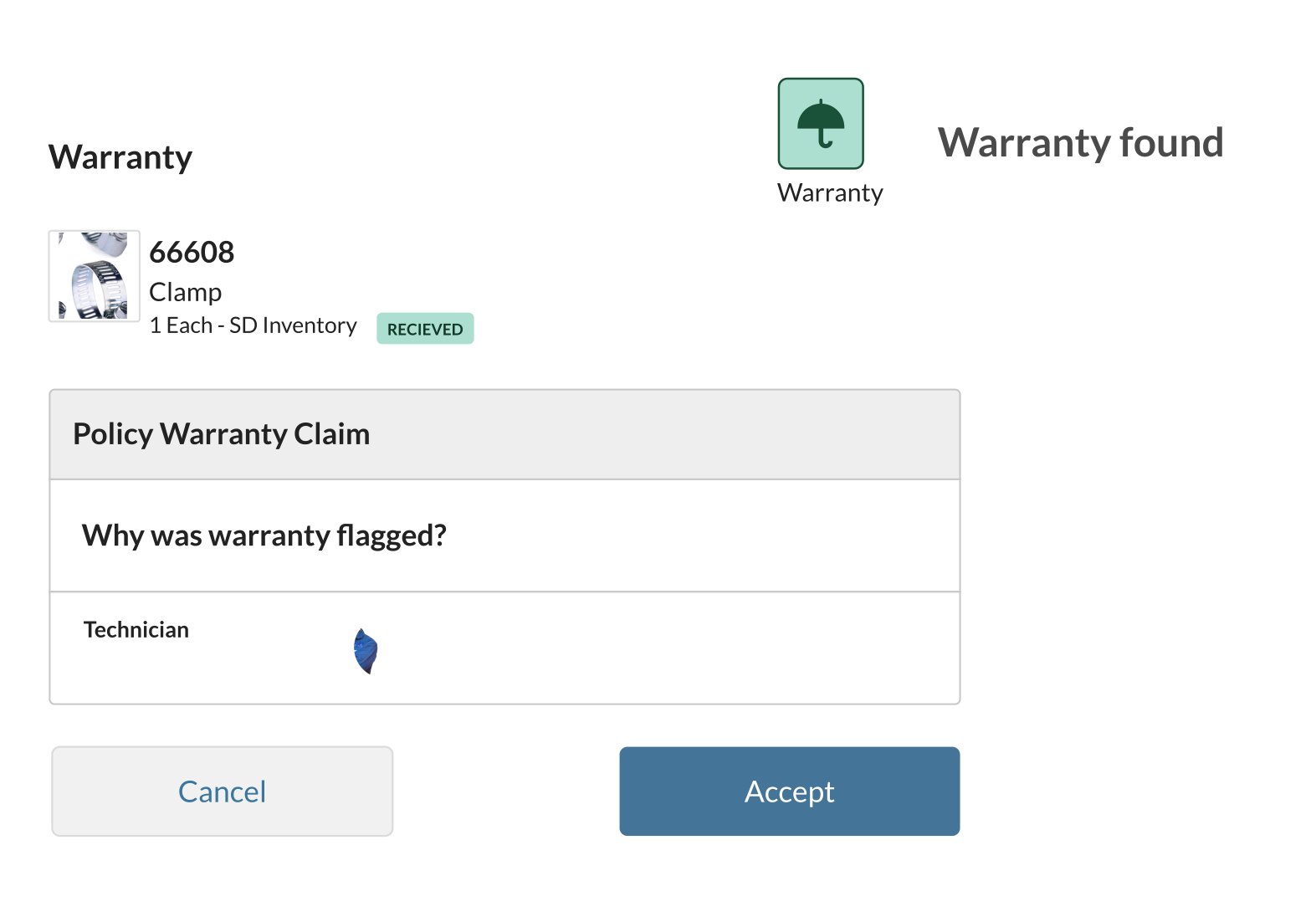
Centralize warranty agreements while tracking the right data to increase reimbursement.
Generate reports and analytics on vehicle performance and maintenance history, which can help you identify areas for improvement and optimize your fleet management strategy.
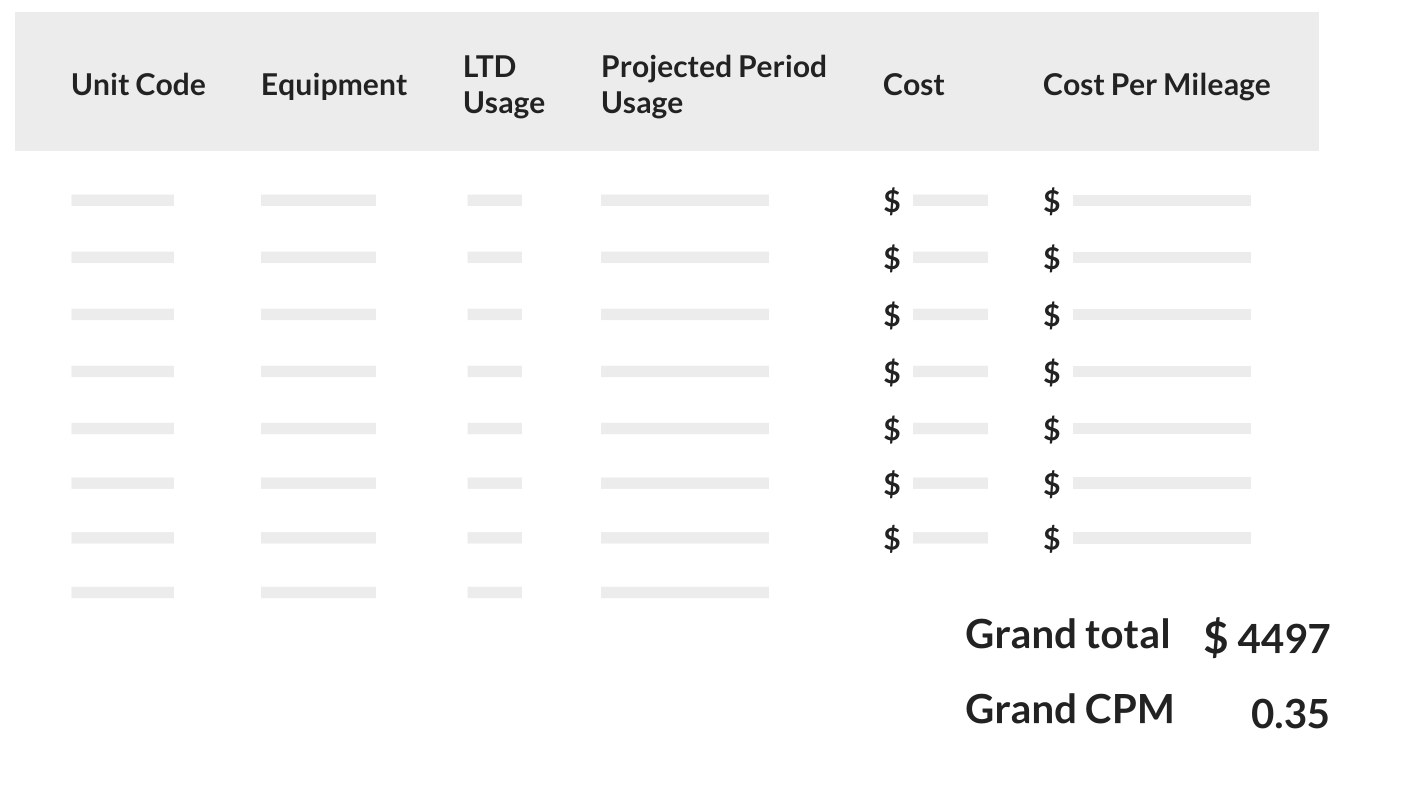
Fleet maintenance software helps transportation organizations manage preventive maintenance, work orders, inspections, parts inventory, warranties, asset history, and maintenance reporting from a centralized platform. By providing complete visibility into fleet operations, maintenance teams can improve planning, increase asset availability, and make more informed maintenance decisions.
Transportation companies can reduce fleet maintenance costs by implementing preventive maintenance programs, improving technician productivity, optimizing parts inventory, tracking asset performance, and recovering eligible warranty expenses. Access to accurate maintenance data helps identify cost drivers and uncover opportunities to improve operational efficiency.
Fleet maintenance software helps reduce downtime by automating maintenance schedules, generating service alerts, tracking repair history, and providing visibility into asset condition. Maintenance teams can proactively address issues before they lead to unexpected breakdowns, improving vehicle availability and service reliability.
Preventive maintenance is scheduled at predefined intervals based on time, mileage, engine hours, or usage. Predictive maintenance uses maintenance and operational data to identify conditions that may lead to future failures. Both approaches help improve fleet reliability, but predictive maintenance provides additional insight into when maintenance may be needed.
Maintenance leaders should monitor key performance indicators such as vehicle downtime, maintenance cost per asset, preventive maintenance compliance, labor utilization, parts consumption, asset availability, mean time between failures (MTBF), and warranty recovery rates. Tracking these metrics helps measure performance and support continuous improvement initiatives.
Fleet maintenance software improves asset reliability by helping organizations standardize maintenance processes, monitor repair trends, track service history, and identify recurring issues. Improved visibility into asset performance enables maintenance teams to make proactive decisions that support reliability and uptime goals.
Transportation fleets can improve warranty recovery rates by accurately tracking warrantable components, documenting maintenance activities, monitoring warranty eligibility, and identifying claims before coverage periods expire. Effective warranty management helps reduce maintenance expenses and recover costs that might otherwise be missed.
Maintenance software helps extend vehicle lifespan by ensuring maintenance activities are completed on schedule, maintaining accurate service records, tracking asset health, and identifying recurring issues early. Consistent maintenance practices help maximize asset value, improve reliability, and delay replacement costs.